

- Independent Driver
- February 26, 2026
- Truckers Share
Broken Promises: ARI Sleepers\' Warranty Woes Leave Customers Disappointed
The landscape of modern commerce is littered with the remnants of consumer trust, often shattered by products that fail to meet promised standards. Among these, the extended warranties offered by manufacturers stand as a beacon of assurance, or in some cases, a shadow of disappointment. One such instance, drawing significant scrutiny, involves ARI Sleepers and their evolving warranty policies, which have increasingly left customers feeling unheard and financially burdened. This article examines the trajectory of ARI Sleepers' warranty commitments, the impacts on their clientele, and the broader implications for consumer protection.
The Genesis of Discontent: Initial Warranty Assurances
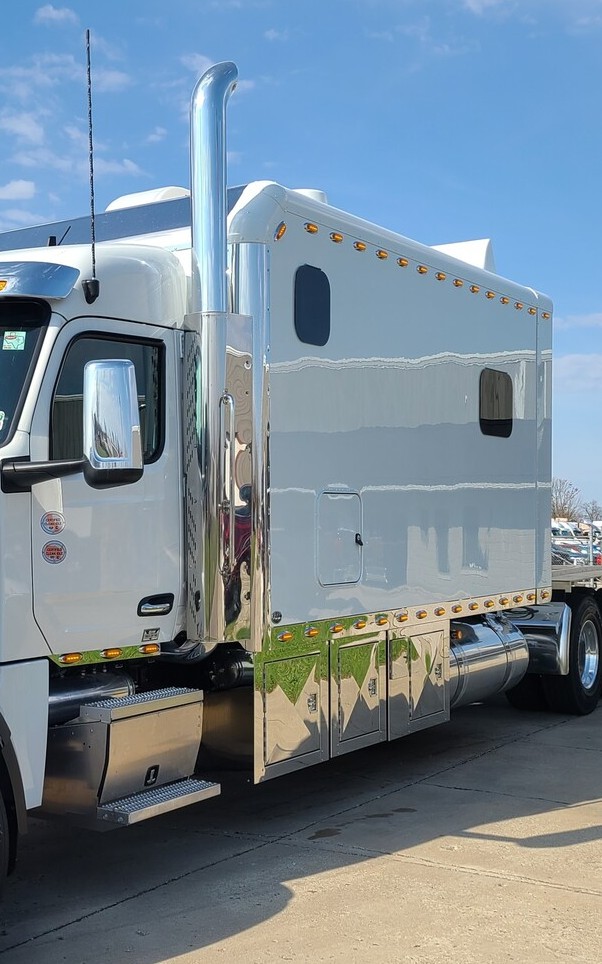
ARI Sleepers, a prominent name in custom sleeper manufacturing for the trucking industry, initially built its reputation on the perceived quality and durability of its products. A key component of this assurance was their warranty policy, which historically offered comprehensive coverage for various structural and functional components of their custom-built sleepers. These policies were often highlighted during the sales process, serving as a significant differentiator in a competitive market.
Early Promise of Protection
In its nascent stages, ARI Sleepers cultivated an image of a company that stood firmly behind its craftsmanship. Customers regularly cited the warranty as a deciding factor in their purchase. This early promise, often communicated through sales literature and direct interactions, painted a picture of long-term support and minimal post-purchase worry.
Broad Coverage and Expected Longevity
The original warranty terms frequently included coverage for structural integrity, water leaks, and major component failures, extending for several years. For owner-operators and fleet managers, whose livelihoods depend on the operational readiness of their vehicles, this broad coverage was not merely a perk but a fundamental aspect of their investment. They were investing in reliability, backed by a significant industry player.
The Turning Tide: Erosion of Warranty Coverage
As time progressed, anecdotal accounts and later, more formalized complaints, began to surface regarding ARI Sleepers' warranty practices. The broad assurances of earlier years appeared to be narrowing, leaving customers in a perplexing and often frustrating position when issues arose.
Shifting Interpretations of "Defect"
A prevailing theme in customer complaints concerns the reinterpretation of what constitutes a "manufacturing defect." Issues previously acknowledged and addressed under warranty began to be classified as "wear and tear" or "customer-induced damage," effectively shifting the financial burden from the manufacturer to the owner. This reclassification often occurs without clear, demonstrable evidence, relying instead on the company's internal assessment.
Increased Demands for Documentation
Customers report an escalating requirement for extensive documentation when submitting a warranty claim. While some level of documentation is standard, the complexity and specificity of these demands have, in some cases, created roadblocks. This process can be particularly arduous for long-haul truckers, who may not have immediate access to all requested materials or the time to compile them while on the road. The documentation process, for some, has become a labyrinth designed to deter claims.
The "Act of God" Clause and Its Expansive Application
Warranties inherently contain exclusions, often including "acts of God" or damage resulting from external forces. However, customers have expressed concern that this clause has been applied with increasing breadth, encompassing issues that, in their view, stem from design flaws or inadequate installation. For instance, leaks attributed to severe weather, when the fundamental sealant or structural integrity is in question, fall into this disputable grey area.
The Customer's Plight: Financial and Operational Impacts
For the individual trucker or small fleet owner, a warranty denied or significantly curtailed can have profound and cascading consequences. These are not merely inconveniences; they are direct assaults on livelihoods.
Unforeseen Repair Expenses
The most immediate impact is the unexpected financial burden of repairs. Custom sleeper repairs are often specialized and expensive, significantly impacting operational budgets. For an independent owner-operator, an unexpected $5,000 repair bill can mean weeks of lost income or even the inability to continue operating. The very purpose of a warranty is to mitigate such risks, and its inadequacy leaves owners exposed.
Operational Downtime and Lost Revenue
Beyond the cost of repair, the time a truck spends in the shop is productive time lost. Each day a vehicle is out of commission translates directly into lost revenue. For businesses operating on tight margins, prolonged downtime due to a disputed warranty claim can lead to missed contracts, damaged client relationships, and ultimately, a significant economic setback. Imagine a fisherman whose net breaks unexpectedly; the cost of repair is one thing, but the missed catches are another.
Diminished Resale Value
Maintaining a vehicle's value is crucial for owners. Recurring issues, particularly those that manifest after a warranty denial, can negatively impact the resale value of an ARI Sleeper. Prospective buyers are often wary of vehicles with known maintenance issues, especially when the original manufacturer has shirked responsibility for repairs.
Recourse and Redress: The Rocky Path to Resolution
When warranty claims are denied or disputes arise, customers are often left navigating a complex and frustrating landscape of potential recourse, with varying degrees of success.
Direct Negotiation and Its Limitations
Initially, customers typically attempt to resolve issues directly with ARI Sleepers. However, many report that these direct negotiations often reach an impasse, with the company maintaining its position on the warranty denial. The hierarchical structure of customer service often means individuals reaching out are met with standard responses, rather than bespoke solutions tailored to their specific, often complex, situations.
Online Forums and Community Support
Disappointed ARI Sleeper owners have increasingly turned to online forums and social media groups to share their experiences and seek advice. These platforms serve as both a sounding board and a collective memory, documenting patterns of warranty issues and denial tactics. While not a formal redress mechanism, these communities offer a level of solidarity and information sharing that can be empowering for individual owners feeling isolated in their struggle.
Legal Avenues and Their Challenges
For some, the only remaining option is legal action. However, pursuing litigation against a corporate entity is a daunting and expensive endeavor. The cost of legal fees, coupled with the uncertainty of success, often acts as a significant deterrent, especially for independent truckers with limited financial resources. Furthermore, many purchase agreements include arbitration clauses, which can limit an owner's ability to pursue a class-action lawsuit.
Consumer Protection Agencies
Reporting to consumer protection agencies, such as the Better Business Bureau or state attorneys general, is another avenue. While these agencies may not directly adjudicate individual cases, a pattern of complaints can trigger investigations and, in some instances, lead to broader regulatory action. However, the impact of these reports on individual warranty claims can be slow and indirect.
The Broader Implications: Trust, Reputation, and Industry Standards
Issue Impact
Delayed Warranty Claims Customers left without proper support
Poor Customer Service Customers feeling disappointed and frustrated
Lack of Transparency Customers unsure about warranty coverage
Unresolved Warranty Issues Customers left with unresolved problems
The unfolding situation with ARI Sleepers' warranty policies extends beyond individual customer disputes; it carries broader implications for the brand, the custom sleeper industry, and consumer confidence as a whole.
Erosion of Brand Trust
Trust, once lost, is difficult to regain. A company's warranty policy is a cornerstone of its brand promise. When that promise is perceived as broken, it chips away at customer loyalty and future sales. The negative experiences shared by current owners act as a powerful deterrent for potential new customers, regardless of the quality of current products. This erosion is a slow poison, impacting long-term viability.
Industry Scrutiny and Competitive Landscape
The struggles faced by ARI Sleepers' customers also cast a shadow over the custom sleeper industry as a whole. It prompts scrutiny of warranty practices across the sector. Competitors who maintain robust and transparent warranty policies may gain an advantage, while those with similar shortcomings risk being tarred by the same brush. This can lead to a shift in market dynamics as consumers become more discerning.
The Call for Greater Transparency and Accountability
This situation implicitly calls for greater transparency in warranty terms and conditions. Purchasers of high-value custom products deserve clear, unambiguous language regarding coverage, exclusions, and the claims process. Furthermore, there is a strong argument for enhanced accountability mechanisms to ensure manufacturers uphold their stated commitments, rather than allowing them to unilaterally redefine terms post-purchase.
In conclusion, the saga of ARI Sleepers' evolving warranty policies serves as a cautionary tale. For customers, it highlights the critical importance of scrutinizing warranty details before purchase and understanding the potential hurdles in the event of a claim. For ARI Sleepers, and indeed for any manufacturer, it underscores the profound and lasting impact that perceived breaches of trust can have on a brand's reputation and its relationship with its most valuable asset: its customers. The promises made at the point of sale are not mere words; they are the bedrock upon which long-term relationships are built, and their fracture can leave a lasting legacy of disappointment and financial strain.
Overall their customer service level has fallen to it's lowest core blamming the customers for its parts defects and marking up parts that are available on the open market by 2-3 times where it would cost elsewhere.
ARi legacy sleepers does not disclose any warrantys until after the fact, we will give you a example. We will call the customer by the name of Joe had a new water heater and 12 volt ac/ heater installed in December of 2025 less then two months have gone by and the water heater started leaking now ARI legacy sleepers want to blame the customer for failure. The customer asked if they could mail a new one to his location and their rep Jay Blyer sent the customer a long list of warranty proto cals after the fact. The customer was willing to install the defective one with ARI Sleepers new one but Jay Bler refused to work with customer and would not honor the warranty.
Ari legacy sleepers claim to be family friendly, some builds costing in excess of 200k
In my opinion ARI Legacy sleepers is over rated
"everyone shall have the right to freedom of expression; this right shall include freedom to seek, receive, and impart information and ideas of all kinds, regardless of frontiers, either orally, in writing or print, in the form of art, or through any other media of his choice".